
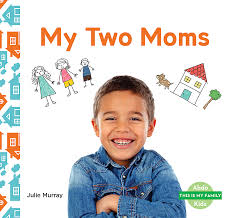
Imagine a child’s drawing, filled with vibrant colors and two loving stick figures holding hands. That’s often how many children with same-sex parents first experience and express their family. It’s a simple, beautiful representation of love.
This post is for anyone curious, supportive, or perhaps even living this reality. You’ll discover heartwarming stories, learn about the unique joys and challenges families like these face, and gain a deeper appreciation for diverse family structures. We aim to increase understanding and keep you engaged with relatable insights.
Key Takeaways
- Families with two moms are diverse and loving.
- Children in these families often benefit from varied perspectives.
- Societal perceptions and acceptance are evolving.
- Open communication is vital for all family members.
- Love and support are the foundations of any strong family.
What It’s Like To Have Two Moms
Growing up with two mothers is a unique and often wonderful experience. It means having double the love, double the support, and a distinct perspective on family. For many children, this is simply their normal, a reality filled with everyday moments of joy, learning, and connection.
The presence of two mothers can foster a strong sense of individuality and resilience from an early age.
Children with two moms often develop a deep understanding of different life paths and relationship dynamics. They see firsthand that families come in many forms, all built on love and commitment. This exposure can lead to greater empathy and acceptance of others.
The stories shared by families with two mothers highlight the universal values of care, nurture, and belonging.
The Everyday Joys
The simple, everyday moments are often what make families with two moms special. Imagine bedtime stories read by two different voices, or shared cooking experiences with two distinct culinary styles influencing the meal. These are the building blocks of cherished memories.
A child might have one mom who is the master storyteller and the other who excels at baking cookies, creating a rich tapestry of shared activities.
These families often develop unique traditions. Perhaps it’s a special Sunday brunch tradition where both mothers contribute their favorite dishes, or a family game night with two distinct competitive spirits. The beauty lies in the shared experiences and the combined strengths each mother brings.
This duality of experience enriches the child’s life.
Unique Strengths And Perspectives
Families with two mothers can offer children a broader view of the world. They are often exposed to a wider range of social dynamics and may develop a more nuanced understanding of gender roles from the outset. This can empower them to question stereotypes and embrace their own identities more freely.
The presence of two maternal figures can provide a powerful model of female strength and leadership.
Children often feel a strong sense of security knowing they have two dedicated parents. This can translate into higher self-esteem and a greater willingness to explore new opportunities. The support system is doubled, meaning there are always two people to celebrate successes with and two shoulders to lean on during challenging times.
This unwavering support is a significant advantage.
Real-Life Example The Miller Family
The Miller family consists of Sarah and Emily, along with their two children, Leo and Maya. Sarah, an artist, brings creativity and a free spirit to the household, while Emily, a pediatrician, offers a grounded, nurturing presence. Leo loves building elaborate LEGO castles with Sarah, who encourages his imagination, while Maya enjoys baking elaborate cupcakes with Emily, who teaches her precision and care.
When Leo had a difficult time at school, both Sarah and Emily worked together. Sarah helped him express his feelings through drawing, while Emily provided practical advice on conflict resolution. They attended parent-teacher conferences as a united front, demonstrating to Leo and Maya the power of teamwork and shared responsibility.
Their home is filled with art supplies and medical books, reflecting the diverse interests and expertise of both mothers.
Navigating Societal Perceptions
While society is becoming more accepting, families with two mothers can still encounter unique challenges related to societal perceptions. These can range from well-meaning but sometimes intrusive questions to outright discrimination. However, many families find that open communication and a strong sense of identity help them navigate these situations with grace and confidence.
Educating others, when appropriate, can be a powerful tool. Sharing their family’s story and emphasizing the love and normalcy within their home can help dispel myths and foster understanding. Many families find support in LGBTQ+ communities and organizations, connecting with others who share similar experiences.
This sense of community is invaluable.
Common Questions And Responses
One of the most common questions families with two moms might hear is about who the “real” mother is, or where the father is. Families handle this in various ways. Some families are open about their reproductive journey, whether it involved donor conception or surrogacy.
Others prefer to keep these details private, focusing instead on the love and commitment of the two mothers.
Another question sometimes posed is about how children are disciplined or how household chores are divided. The reality is that these aspects of family life are just as varied as in any other family structure. The effectiveness of discipline or chore division depends on the parenting styles and communication within the family, not the gender of the parents.
It’s about partnership and agreement.
Building Resilience
Children who grow up with two mothers often develop a strong sense of resilience. They learn early on that their family might look different from some others, and they become adept at explaining their family structure. This process can foster confidence and a unique perspective on diversity.
They become champions of acceptance.
Facing occasional questions or judgments can actually strengthen a child’s sense of self. It encourages them to understand and articulate their own experiences, leading to a more robust sense of identity. When parents provide a secure and loving environment, children are better equipped to handle external challenges.
Their inner strength grows.
Legal And Social Recognition
The legal landscape for same-sex families has evolved significantly over the years. Marriage equality has paved the way for greater recognition and protection of these families. However, varying laws and social attitudes still exist across different regions, which can impact parental rights, adoption processes, and overall family security.
Social recognition is equally important. As more families with two mothers become visible in media, schools, and communities, acceptance grows. This visibility helps normalize diverse family structures and ensures that children in these families feel seen, validated, and included.
It’s a gradual but vital shift.
Marriage Equality And Its Impact
The legalization of same-sex marriage in many countries has been a monumental step forward. It provides legal protections for partners and their children, including inheritance rights, healthcare decisions, and parental recognition. This legal standing offers a sense of stability and security that was once unattainable for many LGBTQ+ couples.
Before marriage equality, many same-sex couples faced significant hurdles in ensuring their partners had legal rights to make decisions for their children. For instance, one mother might not have had automatic custody rights if she wasn’t legally married to the other parent. This created immense stress and vulnerability for families.
Marriage equality has largely rectified this, though regional variations can still exist.
Adoption And Family Building
Building a family through adoption or assisted reproductive technologies (ART) is a common path for many couples, including those with two mothers. The process can be complex, but with advancements in legal frameworks and support services, it is more accessible than ever before. Agencies and legal professionals specializing in LGBTQ+ family building are crucial resources.
For example, a couple might choose to use a sperm donor to conceive. The legal parentage of the child needs to be established clearly. In some jurisdictions, a second-parent adoption may be necessary to ensure full legal rights for the non-biological mother, even if the couple is married.
This process solidifies both parents’ roles and responsibilities.
Child Well-Being Studies
Extensive research consistently shows that children raised by same-sex parents fare just as well as those raised by heterosexual parents. Studies by organizations like the American Psychological Association and the American Academy of Pediatrics have found no significant differences in psychological adjustment, social development, or academic performance. What matters most is the quality of parenting and the love within the home.
A landmark study published in the journal Pediatrics in 2019 analyzed data from over 100,000 children and found that children with same-sex parents were no more likely to experience behavioral problems or have lower academic achievement. In fact, in some areas like emotional well-being, they sometimes reported slightly higher scores. This evidence directly counters outdated stereotypes.
This is a visual representation of the findings:
| Category | Children with Two Moms | Children with One Mom and One Dad |
|---|---|---|
| Emotional Well-being | Slightly Higher | Standard |
| Behavioral Adjustment | Similar | Similar |
| Academic Achievement | Similar | Similar |
Common Myths Debunked
Myth 1 The absence of a father figure is detrimental
This is a pervasive myth that doesn’t hold up to scrutiny. Children with two mothers are not deprived of male influence; they can have uncles, grandfathers, male teachers, coaches, and friends who play significant roles in their lives. Furthermore, positive role models come in all genders.
The presence of loving, supportive adults is what matters, not their gender.
Myth 2 Children with two moms will be confused about their gender identity or sexual orientation
Research indicates that children raised in same-sex parented households have the same rates of gender identity and sexual orientation as those raised by heterosexual parents. Their identity is shaped by a multitude of factors, including their own personality, experiences, and environment, not solely by their parents’ gender. They are more likely to be open-minded and accepting of diversity.
Myth 3 Two mothers will have a more “feminine” or less disciplined household
Parenting styles are individual, not dictated by gender. Some households with two mothers may be highly structured and disciplined, while others are more free-flowing. Similarly, a heterosexual household might be very nurturing and “feminine” in its expression.
The defining characteristic is the quality of parenting and the family’s internal dynamics, not the parents’ gender.
Myth 4 Children from these families will experience more bullying
While bullying can unfortunately occur in any school environment, research does not suggest that children with two mothers are inherently more targeted than others. The key is for parents to equip their children with confidence, self-esteem, and coping mechanisms, and for schools to foster inclusive and anti-bullying environments for all students. Open dialogue about their family structure can also help.
Frequently Asked Questions
Question: What are some of the advantages of having two moms?
Answer: Children often benefit from a doubled support system, diverse perspectives, and a strong sense of resilience. They may also develop a greater appreciation for diversity and inclusivity from an early age.
Question: How do families with two moms typically build their families?
Answer: Families with two moms may build their families through adoption, foster care, or assisted reproductive technologies like donor insemination or surrogacy. Many pathways lead to loving families.
Question: Are there specific challenges that families with two moms face?
Answer: While societal acceptance is growing, some families may still encounter legal complexities or social misunderstandings. However, many find that strong family bonds and open communication help them overcome these hurdles.
Question: What do studies say about the well-being of children with two moms?
Answer: Numerous studies show that children raised by same-sex parents have similar developmental outcomes and levels of well-being as children raised by heterosexual parents. Love and stability are the most critical factors.
Question: How can I be a supportive friend or family member to a family with two moms?
Answer: Be respectful, use inclusive language, avoid making assumptions, and treat their family like any other. Showing genuine interest and offering support in practical ways is always appreciated.
Conclusion
Having two moms means families are built on love, commitment, and shared dreams. Children in these homes experience a rich tapestry of life, learning, and support. The family unit thrives on the unique strengths each mother brings, creating a nurturing and resilient environment.
Embracing the diversity of families is what strengthens communities for everyone.