
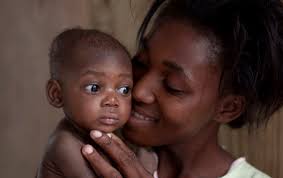
Imagine you’re expecting your first child. You want everything to be perfect, right? That includes feeling your best and knowing you’re giving your baby the best start.
It’s a time filled with so much joy and a little bit of worry. This guide is here to ease some of that worry. We will explore practical tips and essential information to help you achieve healthy moms healthy babies.
You’ll learn simple strategies to boost your well-being and support your growing baby, making your pregnancy and postpartum experience smoother and more confident.
Key Takeaways
- Understand the foundational importance of nutrition for maternal and infant health.
- Learn about the benefits of regular physical activity during pregnancy.
- Discover effective stress management techniques for expecting and new mothers.
- Recognize the significance of adequate sleep for recovery and well-being.
- Explore ways to build a strong support system for a smoother parenting experience.
- Prioritize regular medical check-ups throughout pregnancy and postpartum.
Nourishing Your Body For Two
Proper nutrition is the cornerstone of a healthy pregnancy and a thriving baby. What a mother eats directly impacts the baby’s development and her own body’s ability to cope with the demands of pregnancy and childbirth. This section focuses on the vital nutrients and dietary choices that support both maternal and fetal health, ensuring a strong foundation for healthy moms healthy babies.
We will look at specific vitamins, minerals, and food groups that are essential. We also discuss foods to enjoy and those to be mindful of.
Essential Nutrients For Pregnancy
During pregnancy, your body’s nutrient needs increase significantly to support your baby’s rapid growth and development, as well as your own changing physiology. Key players include folic acid, iron, calcium, vitamin D, protein, and omega-3 fatty acids. Folic acid is crucial in the early stages to prevent neural tube defects.
Iron is vital for carrying oxygen to both you and your baby, preventing anemia. Calcium and vitamin D work together for bone health in both mother and child. Protein is the building block for new tissues, and omega-3 fatty acids are important for brain and eye development.
-
Folic Acid (Folate)
Folic acid, a B vitamin, is one of the most critical nutrients to focus on. It plays a vital role in DNA production and cell growth, particularly important during the rapid cell division that occurs in early fetal development. A deficiency can lead to serious birth defects of the brain and spine, known as neural tube defects, such as spina bifida.
It is recommended that all women of childbearing age consume at least 400 micrograms (mcg) of folic acid daily, increasing to 600 mcg during pregnancy. Good food sources include leafy green vegetables like spinach and kale, legumes, fortified cereals, and citrus fruits. However, due to the importance and difficulty of consistently getting enough from diet alone, prenatal vitamins often contain folic acid.
-
Iron
Iron is essential for producing hemoglobin, a protein in red blood cells that carries oxygen throughout your body and to your baby. Pregnancy increases blood volume by about 50%, and your baby also needs iron for their own blood supply. Without enough iron, you can become anemic, leading to fatigue, weakness, and a higher risk of preterm birth and low birth weight.
Pregnant women typically need about 27 milligrams (mg) of iron per day. Lean red meats, poultry, fish, beans, and fortified cereals are good sources. Vitamin C helps your body absorb iron better, so pairing iron-rich foods with vitamin C-rich foods like oranges or bell peppers is beneficial.
-
Calcium and Vitamin D
Calcium is crucial for building your baby’s bones and teeth, and it also helps your body’s blood circulation, muscle function, and nerve transmission. If you don’t get enough calcium, your body will take it from your own bones to supply your baby. Vitamin D works with calcium to help your body absorb it, and it also plays a role in immune function and cell growth.
Dairy products like milk, cheese, and yogurt are excellent sources of calcium. Other sources include leafy greens, fortified plant-based milks, and tofu. Vitamin D can be obtained from sunlight exposure (with caution), fatty fish like salmon, and fortified foods.
Balanced Meal Planning
Creating balanced meals involves incorporating a variety of food groups to ensure you’re getting a wide range of nutrients. Aim to include lean proteins, whole grains, fruits, vegetables, and healthy fats in each meal. This approach provides sustained energy, prevents blood sugar spikes and crashes, and ensures your baby receives all the building blocks they need.
For instance, a balanced breakfast could be oatmeal topped with berries and nuts, providing complex carbohydrates, antioxidants, and healthy fats. Lunch might be a large salad with grilled chicken or chickpeas, leafy greens, and a variety of colorful vegetables. Dinner could involve baked salmon with quinoa and steamed broccoli.
-
Protein Sources
Protein is vital for building and repairing tissues, a process that is dramatically accelerated during pregnancy. It’s essential for the growth of your baby’s organs, bones, and muscles, as well as the development of your placenta and increased maternal tissues. Aim for about 70-100 grams of protein per day, depending on your individual needs and stage of pregnancy.
Excellent sources include lean meats, poultry, fish (low in mercury), eggs, dairy products, legumes (beans, lentils, peas), tofu, nuts, and seeds. Varying your protein sources ensures you get a spectrum of amino acids and other accompanying nutrients.
-
Whole Grains
Whole grains are packed with complex carbohydrates, fiber, B vitamins, and minerals like iron and magnesium. The fiber content is especially important during pregnancy, as it helps prevent constipation, a common issue. Complex carbohydrates provide a steady release of energy, preventing fatigue.
Choose options like whole wheat bread, brown rice, quinoa, oats, barley, and whole grain pasta over their refined counterparts. These foods contribute to overall satiety and help maintain stable blood sugar levels.
-
Fruits and Vegetables
Fruits and vegetables are powerhouses of vitamins, minerals, antioxidants, and fiber. They are crucial for your baby’s development and your own well-being. Aim for a rainbow of colors to ensure you’re getting a diverse range of nutrients.
For example, dark leafy greens provide folate and iron, citrus fruits offer vitamin C, berries are rich in antioxidants, and orange vegetables like sweet potatoes and carrots are high in vitamin A. It’s recommended to consume at least five servings of fruits and vegetables daily.
Foods to Limit or Avoid
While focusing on nutritious foods, it’s equally important to be aware of foods that could pose risks to you or your baby. This includes certain types of fish high in mercury, undercooked meats and eggs, unpasteurized dairy products, and excessive caffeine. Some raw sprouts can also carry bacteria.
Listeria is a particular concern, as it can be found in certain deli meats, soft cheeses, and unpasteurized milk. Always wash produce thoroughly. Staying informed about these recommendations helps ensure a safe and healthy pregnancy.
-
Mercury in Fish
Certain types of fish can contain high levels of mercury, a heavy metal that can be harmful to a baby’s developing nervous system. It is generally recommended that pregnant women avoid high-mercury fish such as shark, swordfish, king mackerel, and tilefish. Lower-mercury options like salmon, shrimp, canned light tuna, and cod are generally safe and provide beneficial omega-3 fatty acids.
The FDA provides guidelines on fish consumption during pregnancy, recommending about 8-12 ounces of low-mercury fish per week.
-
Undercooked Foods
Consuming undercooked meats, poultry, seafood, and eggs increases the risk of foodborne illnesses such as Salmonella and E. coli. These infections can be particularly dangerous during pregnancy, potentially leading to severe complications for both mother and baby, including miscarriage, stillbirth, or severe illness in the newborn.
Ensure all meats are cooked to their proper internal temperature, eggs are firm, and seafood is cooked thoroughly.
-
Caffeine Consumption
While moderate caffeine intake is generally considered safe for most pregnant women, it’s advisable to limit consumption. High caffeine intake has been linked to an increased risk of miscarriage and low birth weight. The general recommendation is to limit caffeine to less than 200 milligrams per day, which is roughly equivalent to one 12-ounce cup of coffee.
Be mindful of caffeine in other sources like tea, soda, and chocolate.
Staying Active For Two
Regular physical activity during pregnancy offers numerous benefits for both the mother and the baby. It helps manage weight gain, reduces the risk of gestational diabetes and preeclampsia, improves mood, and can ease labor and delivery. For healthy moms healthy babies, incorporating safe and appropriate exercise is key.
This section will guide you through recommended types of exercises, how to stay safe, and when to consult with your healthcare provider. We aim to make fitness feel accessible and beneficial during this special time.
Benefits of Exercise During Pregnancy
The advantages of staying active while pregnant are extensive. Exercise can significantly improve your physical comfort by reducing common pregnancy discomforts like backaches, constipation, and swelling. It also boosts your energy levels, making it easier to tackle the daily demands of pregnancy and prepare for the energy needed for newborn care.
Furthermore, it plays a role in mental well-being, helping to alleviate stress, anxiety, and symptoms of depression. The strength and stamina gained can also translate to a smoother labor and a quicker postpartum recovery.
-
Improved Maternal Health
Engaging in regular physical activity can significantly improve a pregnant woman’s overall health. It helps in maintaining a healthy weight gain, which is crucial for preventing complications like gestational diabetes and preeclampsia. Exercise also strengthens the cardiovascular system, improving circulation and reducing the risk of blood clots.
The increased muscle strength and endurance gained can make carrying the extra pregnancy weight more manageable and can prepare the body for the physical demands of labor and childbirth.
-
Baby’s Well-being
The benefits of maternal exercise extend to the baby as well. Studies suggest that babies born to active mothers may have healthier birth weights and better stress regulation after birth. Exercise can also improve placental function, ensuring a good supply of oxygen and nutrients to the baby.
Some research indicates that prenatal exercise might even have long-term benefits for the child’s cardiovascular health.
-
Easier Labor and Recovery
Regular exercise can contribute to a more efficient labor process. Stronger abdominal and pelvic muscles can help with pushing, and improved stamina can help mothers endure labor contractions. Postpartum, women who exercised during pregnancy often find they recover more quickly.
They tend to regain their strength and energy faster, making the transition to motherhood a bit smoother.
Safe Exercise Practices
Safety is paramount when it comes to exercising during pregnancy. It’s essential to listen to your body, avoid activities with a high risk of falling or abdominal impact, and stay well-hydrated. Warm-up and cool-down periods are crucial.
Modifying exercises as your pregnancy progresses is also important. For example, as your belly grows, you may need to adjust your balance or find alternative positions. Always consult with your healthcare provider before starting or continuing an exercise program.
-
Listen to Your Body
Your body provides signals that should not be ignored. Pain, dizziness, shortness of breath, or unusual fatigue are all indicators that you need to slow down or stop exercising. Pushing through discomfort can lead to injury or exacerbate pregnancy-related issues.
Learn to recognize the difference between normal exertion and warning signs. It is better to err on the side of caution.
-
Stay Hydrated
Dehydration can lead to contractions, dizziness, and overheating, all of which can be problematic during pregnancy. Drink plenty of water before, during, and after your workout. Carry a water bottle with you and sip frequently.
Avoid exercising in very hot and humid conditions, as this increases the risk of overheating and dehydration.
-
Avoid High-Risk Activities
Activities that carry a significant risk of falling or direct abdominal trauma should be avoided. This includes contact sports like soccer or basketball, as well as activities like downhill skiing, horseback riding, and cycling on uneven terrain. Activities that involve jerky movements or rapid changes in direction might also need to be modified or avoided as pregnancy progresses.
Recommended Activities
Many forms of exercise are safe and beneficial during pregnancy. Low-impact activities are generally preferred because they are easier on your joints, which are loosened by pregnancy hormones. Walking, swimming, prenatal yoga, and stationary cycling are excellent choices.
These activities help improve cardiovascular health, build strength, and enhance flexibility without putting excessive strain on your body.
-
Walking
Walking is one of the most accessible and beneficial forms of exercise for pregnant women. It requires no special equipment and can be done almost anywhere. Walking helps to improve cardiovascular health, strengthens leg muscles, and can help manage weight gain.
It’s also a great way to get fresh air and reduce stress. Start with shorter walks and gradually increase the duration and intensity as you feel comfortable. Wearing supportive shoes is important.
-
Swimming and Water Aerobics
The buoyancy of water makes swimming and water aerobics ideal pregnancy exercises. The water supports your body weight, reducing stress on your joints and back. It allows for a full-body workout that improves cardiovascular fitness and muscle tone without the impact.
The cooling effect of the water also helps prevent overheating. Many pools offer prenatal water aerobics classes specifically designed for expecting mothers.
-
Prenatal Yoga
Prenatal yoga is specifically adapted for pregnant women, focusing on gentle stretching, strengthening, and relaxation techniques. It helps to improve flexibility, build strength in areas needed for labor and delivery (like the hips and pelvic floor), and can alleviate common pregnancy discomforts such as back pain and swelling. It also provides valuable breathing and meditation techniques that can be used during labor.
Ensure your instructor is certified in prenatal yoga.
Stress Management and Emotional Well-being
Pregnancy and early parenthood can be an emotional rollercoaster. Managing stress is vital for both the mother’s and the baby’s health. High levels of chronic stress can negatively impact pregnancy outcomes.
This section focuses on practical strategies to promote emotional well-being, ensuring a more peaceful and positive experience for healthy moms healthy babies. We will explore relaxation techniques, the importance of a support system, and how to seek help when needed.
Understanding Pregnancy Stressors
It’s normal to experience a range of emotions during pregnancy. Stressors can stem from physical changes, hormonal shifts, concerns about the baby’s health, financial worries, relationship changes, and the anticipation of labor and new responsibilities. Recognizing these common stressors is the first step in managing them effectively.
Understanding that these feelings are common can also be reassuring.
-
Physical Changes
The significant physical transformations your body undergoes can be a source of stress. Nausea, fatigue, weight gain, and discomforts like back pain can all impact your mood and energy levels. It’s important to acknowledge these changes and find ways to cope, such as gentle exercise, comfortable clothing, and proper rest.
-
Hormonal Fluctuations
The dramatic shifts in hormones like estrogen and progesterone during pregnancy can affect your mood, leading to mood swings, increased anxiety, or feelings of sadness. These hormonal changes are a natural part of pregnancy but can be overwhelming at times.
-
Concerns About the Baby
Worrying about your baby’s health and development is common. Concerns about potential complications, the birthing process, and future parenting responsibilities can lead to significant anxiety. Open communication with your healthcare provider and partner can help alleviate some of these fears.
-
Life Changes and Adjustments
Pregnancy and the arrival of a baby signal major life changes. Adjusting to a new role, potential financial strain, and changes in relationships with your partner, family, and friends can all contribute to stress. Planning and open communication can help navigate these transitions.
Effective Stress Reduction Techniques
There are many effective ways to reduce stress during pregnancy. These techniques can help you feel more calm, centered, and in control. Experimenting with different methods will help you find what works best for you.
-
Mindfulness and Deep Breathing
Mindfulness involves focusing on the present moment without judgment. Simple mindfulness exercises, like paying attention to your breath, can ground you and reduce feelings of anxiety. Deep, slow breathing exercises can activate the body’s relaxation response, lowering heart rate and blood pressure.
Practicing these techniques regularly can help manage stress in the moment and build resilience over time.
-
Gentle Exercise
As discussed earlier, physical activity is a powerful stress reliever. It releases endorphins, which are natural mood boosters. Even a short walk can make a difference in how you feel.
Gentle yoga and stretching are also excellent for releasing tension.
-
Journaling
Writing down your thoughts and feelings can be incredibly therapeutic. A journal can provide a safe space to express worries, fears, and joys without judgment. It can help you process your emotions and gain perspective on your experiences.
-
Time in Nature
Spending time outdoors, whether it’s a walk in a park or simply sitting in your garden, can have a calming effect. Nature has a way of reducing stress and promoting a sense of peace. The fresh air and natural surroundings can be restorative.
Building a Support System
You don’t have to go through pregnancy and early parenthood alone. Having a strong support system is crucial for emotional well-being. This includes your partner, family, friends, and potentially a mother’s group or therapist.
Don’t hesitate to lean on loved ones for practical help, emotional support, or simply a listening ear.
-
Partner Support
Your partner is your primary support system. Open communication about your needs, fears, and expectations is essential. Involve your partner in prenatal appointments, childbirth classes, and preparations for the baby.
Shared experiences and responsibilities can strengthen your bond and reduce individual stress.
-
Family and Friends
Enlist the help of trusted family and friends. They can offer practical assistance like meal preparation, childcare for older siblings, or simply provide companionship. Don’t be afraid to ask for help; most people are happy to support you during this time.
-
Support Groups and Communities
Connecting with other expectant or new mothers can be invaluable. Mother’s groups provide a space to share experiences, concerns, and triumphs with people who understand what you’re going through. Online forums and local community groups can offer a sense of belonging and shared wisdom.
Prioritizing Rest and Recovery
Adequate rest and a focus on recovery are fundamental for healthy moms healthy babies. Pregnancy itself is demanding, and the postpartum period requires significant physical and emotional healing. This section will highlight the importance of sleep, how to manage fatigue, and essential postpartum care practices to ensure a smooth transition into motherhood.
The Importance of Sleep During Pregnancy
Sleep needs often increase during pregnancy, especially in the first and third trimesters. While it might feel elusive due to discomforts like frequent urination, leg cramps, or heartburn, prioritizing sleep is critical. Quality sleep supports your immune system, helps regulate hormones, conserves energy, and is vital for your baby’s development.
Aim for 7-9 hours of sleep per night, and don’t hesitate to take naps during the day if you feel tired.
-
Restorative Sleep
Sleep is when your body repairs itself and regenerates cells. During pregnancy, this restorative process is essential for your body’s adaptation and your baby’s growth. Lack of adequate sleep can lead to increased fatigue, irritability, and a weakened immune system, making you more susceptible to illness.
-
Managing Sleep Disruptions
Pregnancy can bring many sleep disruptions. To improve sleep quality, try creating a relaxing bedtime routine, ensuring your bedroom is dark, quiet, and cool. Using extra pillows for support, especially between your legs and under your belly, can enhance comfort.
Limiting fluid intake before bed can reduce nighttime bathroom trips. If heartburn is an issue, try sleeping with your head elevated.
Postpartum Recovery Needs
The postpartum period, also known as the “fourth trimester,” is a time of significant healing and adjustment. Your body needs time to recover from childbirth, whether vaginal or Cesarean. This includes healing of the perineum, uterus, and any surgical incisions.
Hormonal shifts continue, and you’ll be adjusting to the demands of caring for a newborn. Prioritizing rest during this time is not a luxury; it’s a necessity for your physical and mental health.
-
Physical Healing
Your body has undergone a marathon. For vaginal births, healing involves the perineal area, which may have tears or an episiotomy. For Cesarean births, the abdominal incision requires careful attention and limited strenuous activity.
Your uterus will contract to return to its pre-pregnancy size, which can cause cramping. Gentle movement and following your healthcare provider’s instructions are key.
-
Emotional Adjustment
The postpartum period is also a time of intense emotional adjustment. Hormonal changes, sleep deprivation, and the overwhelming responsibility of a newborn can lead to a range of emotions, from joy to anxiety and sadness. “Baby blues” are common and usually resolve within a couple of weeks.
However, persistent feelings of sadness or hopelessness could indicate postpartum depression, which requires professional help.
-
The Importance of “Rest When Baby Rests”
This age-old advice is profoundly important. As a new parent, sleep deprivation is almost inevitable. Whenever your baby is sleeping, try to rest or sleep yourself, even if it’s just for short periods.
Resist the urge to catch up on chores or social media. Your primary focus should be on healing and recovering.
Common Myths Debunked
Myth 1: You Need To Eat For Two With Double Portions
The reality is that while your nutritional needs increase during pregnancy, you don’t need to double your food intake. The caloric increase is generally modest, about 300-500 extra calories per day in the later stages of pregnancy. The focus should be on nutrient-dense foods to nourish both you and your baby, rather than simply increasing the quantity of food.
Eating excessive amounts can lead to unhealthy weight gain and related complications.
Myth 2: Exercise Is Dangerous During Pregnancy
For most healthy pregnancies, exercise is not only safe but highly recommended. Moderate physical activity can help manage pregnancy discomforts, improve mood, and prepare your body for labor and delivery. The key is to choose safe exercises, listen to your body, and consult with your healthcare provider.
High-impact or risky activities should be avoided, but gentle to moderate exercise is beneficial.
Myth 3: You Must Avoid All Dairy Products
This is a misconception. Dairy products are an excellent source of calcium and vitamin D, which are crucial for bone health in both mother and baby. The important consideration is to consume only pasteurized dairy products to avoid the risk of listeriosis.
Unpasteurized or raw milk and products made from them should be avoided.
Myth 4: “Baby Blues” Are The Same As Postpartum Depression
While both involve mood changes, they are distinct. “Baby blues” are common, usually mild, and temporary, typically resolving within two weeks. They can include mood swings, crying spells, and anxiety.
Postpartum depression (PPD) is a more severe and persistent condition that can interfere with your ability to care for yourself and your baby. PPD requires professional medical treatment.
Frequently Asked Questions
Question: What are the most important supplements for pregnant women?
Answer: The most consistently recommended supplements include a prenatal vitamin containing folic acid, iron, calcium, and vitamin D. Your doctor may recommend additional supplements based on your individual needs and diet.
Question: Can I continue my regular exercise routine during pregnancy?
Answer: For most healthy pregnancies, it is safe to continue your existing exercise routine, with modifications. Always consult your healthcare provider to ensure your chosen activities are safe for your stage of pregnancy.
Question: How much weight should I gain during pregnancy?
Answer: Recommended weight gain varies based on your pre-pregnancy BMI. Generally, women with a healthy pre-pregnancy weight are advised to gain 25-35 pounds. Your doctor will provide personalized guidance.
Question: When should I start worrying about stress during pregnancy?
Answer: While some stress is normal, persistent, overwhelming stress or anxiety that interferes with your daily life warrants professional attention. Don’t hesitate to talk to your doctor or a mental health professional.
Question: What are the best ways to prepare for labor and delivery?
Answer: Childbirth education classes, practicing relaxation techniques, creating a birth plan with your provider, and building a strong support system are excellent ways to prepare for labor and delivery.
Conclusion
Prioritizing healthy moms healthy babies involves a holistic approach. Focus on nourishing your body with balanced meals, staying active safely, managing stress through relaxation and support, and ensuring you get ample rest. These practices create a strong foundation for a positive pregnancy and a healthy start for your child.
Remember to listen to your body and seek guidance from your healthcare provider. You are doing a wonderful job.